
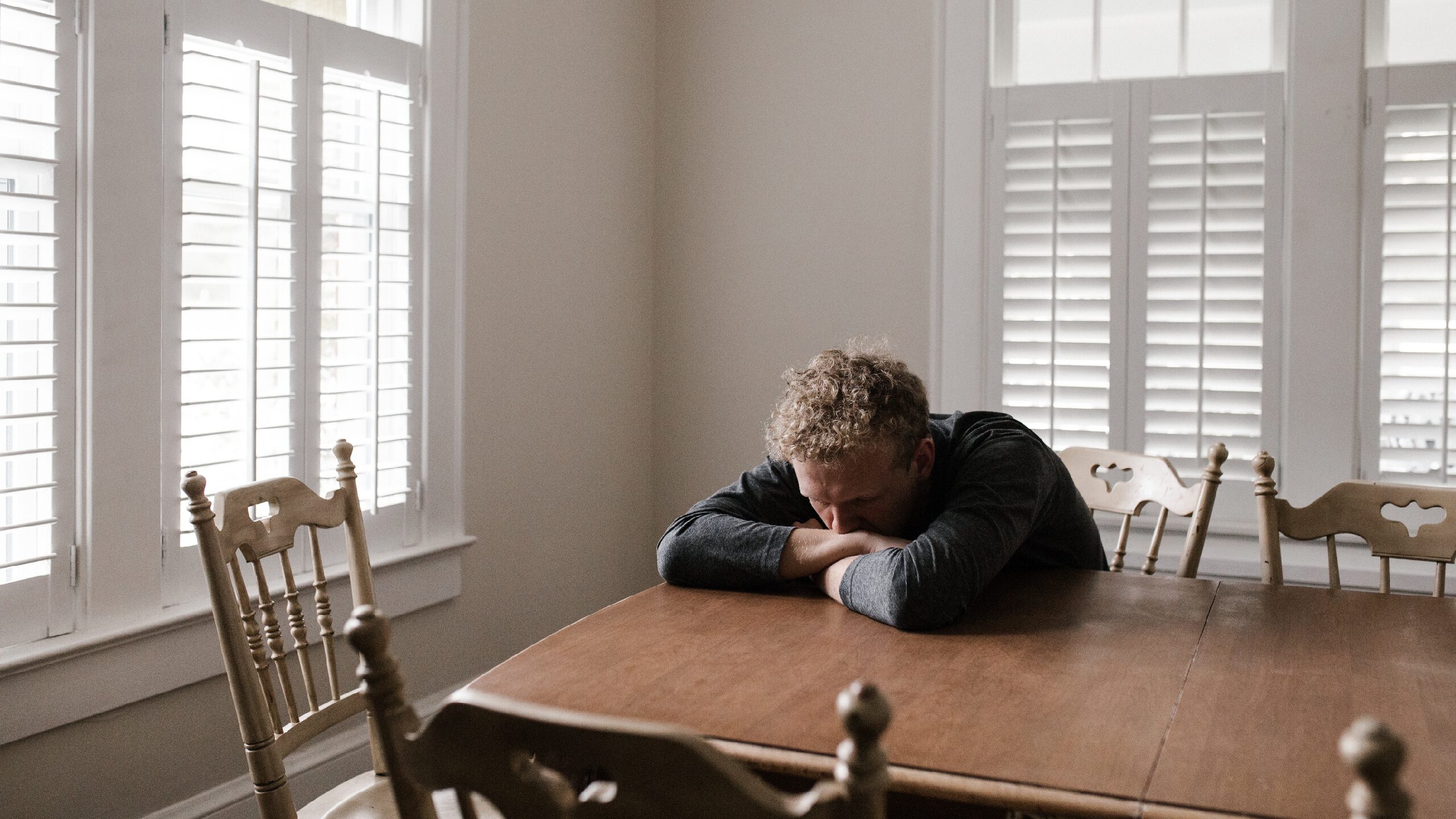
How to Stay Grounded When Life Falls Apart
Life doesn’t always give you warning. But for people who’ve built their lives around competence, control, and forward momentum, it hits differently. When the variables stop cooperating, the internal experience isn’t just stress. It’s often a deeper disorientation, a sense that the tools that have always worked aren’t working anymore.
That’s not a weakness. It’s a very human response to circumstances that are genuinely outside your control. The question isn’t whether stress will show up when life gets unpredictable. It’s whether you have anything real to fall back on when it does.
Why coping strategies fail when you need them most
Most advice about managing stress focuses on what to do: exercise more, eat better, breathe deeply, limit caffeine. These things aren’t wrong. They’re just incomplete.
The problem is that stress at a certain threshold doesn’t respond well to surface-level interventions. When your nervous system is running a sustained threat response, adding a meditation app to your routine doesn’t address what’s actually driving the reaction. It’s a layer of management on top of something that hasn’t been examined.
High-achievers are particularly vulnerable to this pattern because they’re good at managing. They can hold it together externally while carrying a significant internal load, often for a long time. The cost tends to show up in places they don’t expect: sleep, relationships, a shortened fuse, a growing sense of numbness or disconnection.
What actually helps
The fundamentals matter, not as a checklist, but as a genuine investment in your baseline capacity to handle what life throws at you.
Sleep and physical movement aren’t optional extras. They’re the infrastructure everything else runs on. When stress is high, these are usually the first things to go, and also the first things worth protecting. The research on exercise and stress response is consistent: it works, not just physically but neurologically, interrupting the feedback loop of anxious thought and physiological tension.
What you consume matters too, and not just food. The stimulants and substances people reach for when stress is high, alcohol, caffeine, nicotine, tend to provide short-term relief at the cost of a worsening baseline. They’re borrowed calm, and the interest rate is high.
Human connection is one of the most underrated stress regulators available. Talking face to face with someone you trust, not venting, but actually connecting, triggers a hormonal response that directly counteracts stress. For men especially, this kind of connection often gets deprioritized when life gets hard, which is precisely when it matters most. If that pattern sounds familiar, it’s worth looking at what gets in the way.
The difference between managing stress and understanding it
There’s a version of coping that’s really just containment. You keep the stress from spilling over into your work or your relationships, you stay functional, you push through. And it works, until it doesn’t.
The more useful question isn’t just “how do I manage this?” It’s “what is this stress actually telling me?”
Stress is information. Sustained, chronic stress is often pointing to something that needs attention at a deeper level, whether that’s a pattern of overcommitment, an unexamined belief about what you owe people, a relationship that’s been running on fumes, or a life that’s been built around achievement rather than meaning. Professionals who feel this way often find that the stress isn’t the problem. It’s the signal.
When to stop coping alone
If the stress has become persistent, if you’re feeling overwhelmed in ways that don’t resolve with rest, if you’re noticing it affecting your relationships, your concentration, or your sense of yourself, that’s worth taking seriously.
Approaches like CBT and EMDR are well-supported for stress and anxiety, not just as symptom management but as ways to address the underlying patterns driving the response. For couples navigating external pressure together, therapy can also help before stress erodes the relationship from the inside out.
You don’t have to wait for a crisis to ask for help. If you’re not sure where to start, the FAQs are a good place to get oriented, or you can reach out directly.
The goal isn’t to eliminate uncertainty. It’s to stop being undone by it.
Every generation navigates periods of instability. The ones who come through it best aren’t the ones who feel no stress. They’re the ones who’ve built enough internal infrastructure that uncertainty doesn’t knock them off their foundation.
That’s what I’m here to help build.
Serving clients across Nashville, including Green Hills, John Nichols Psychotherapy offers in-person sessions in Brentwood and secure teletherapy for those who prefer flexibility. If you’re looking for a therapist who works at a deeper level and skips the generic advice, this may be the right fit.
Get started with a free 30-minute consult at johnnicholspsychotherapy.com
John Nichols, MS, LPC/MHSP
Psychotherapist | Brentwood, TN
johnnicholspsychotherapy.com


